IRS tax debt can create substantial uncertainty, particularly when a taxpayer does not understand the difference between a notice, a federal tax lien, and an enforced collection action. Although the IRS has authority to collect unpaid federal taxes through liens, wage levies, and bank levies, those actions generally follow defined administrative procedures. Taxpayers may also have access to payment plans, an Offer in Compromise, temporary collection delay, penalty relief, or appeal rights, depending on their compliance history and financial circumstances. This guide separates common fears from documented IRS procedures and explains the principal options available for resolving federal tax debt. (IRS Get Help with Tax Debt)
Why IRS Tax Debt Creates So Much Fear
Owing the IRS feels different from owing anyone else, because the IRS is a government agency with real enforcement power, and most people have no idea what that power actually looks like in practice. The term IRS Fresh Start Programs refers to a group of collection-policy changes introduced and expanded in 2011 and 2012, including changes affecting installment agreements, lien practices, and Offers in Compromise. It is not one universal program or application. Today, each IRS resolution option continues to operate under its own eligibility, documentation, and compliance requirements. (IRS)
The Psychological Toll of Owing the IRS
Uncertainty can be one of the most difficult aspects of an unresolved tax matter. Taxpayers may avoid opening correspondence, reviewing account transcripts, or contacting the IRS because they expect the worst possible outcome. A more productive first step is to identify the notice type, tax periods involved, response deadline, current collection status, and whether all required returns have been filed. Converting an undefined fear into a documented case assessment allows the taxpayer to evaluate realistic options rather than reacting to assumptions.
What IRS Tax Relief Actually Means (Not What the Ads Promise)
“IRS Tax relief” is a broad commercial term rather than the name of one legal remedy. In practice, it may refer to several distinct collection alternatives and penalty-relief procedures, including installment agreements, Offers in Compromise, Currently Not Collectible status, and qualifying penalty relief. Each option serves a different purpose and requires a separate eligibility analysis. The appropriate strategy depends on factors such as the amount owed, filing compliance, income, allowable living expenses, asset equity, collection status, and the remaining collection period.
The Real IRS Relief Programs, Explained Honestly
The IRS offers several official relief programs, but eligibility and terms vary widely based on your specific financial situation. Here’s what each one actually does — no exaggeration, no fine print buried until later.
IRS Installment Agreements
An Installment Agreements allows a taxpayer to pay an assessed balance through scheduled payments rather than immediate payment in full. Individual taxpayers who owe $50,000 or less in combined tax, penalties, and interest and have filed all required returns may qualify to request a long-term payment plan online. Qualified Simple Payment Plans generally do not require a Collection Information Statement, although additional financial information may be required when a case falls outside the applicable criteria. (IRS Payment Plans)
IRS Offer in Compromise
An Offer in Compromise is an agreement under which the IRS accepts less than the full assessed balance in qualifying circumstances. For offers based on doubt as to collectibility, the IRS generally evaluates the taxpayer’s reasonable collection potential by reviewing income, allowable expenses, asset equity, and anticipated future income. Submission does not guarantee acceptance, and the taxpayer must generally satisfy filing and payment-compliance requirements before the IRS will consider the offer. (IRS Offer in compromise)
Currently Not Collectible
Currently Not Collectible status may be available when the IRS determines that requiring payment would prevent a taxpayer from meeting necessary living expenses. The designation temporarily suspends most active collection activity, but it does not cancel the liability. Penalties and interest may continue to accrue, the IRS may file a Notice of Federal Tax Lien, and the taxpayer’s financial condition may be reviewed later. (IRS Temporarily delay the collection process)
Penalty Abatement
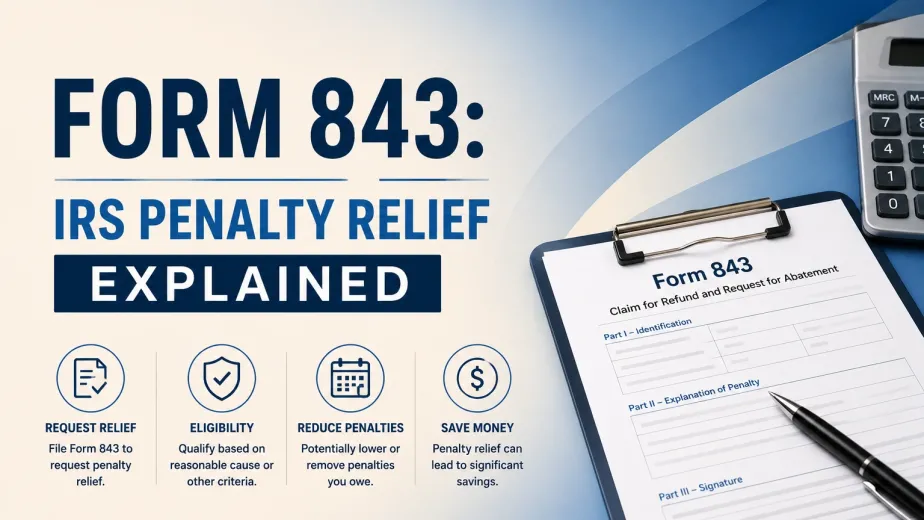
The IRS may reduce or remove certain penalties when a taxpayer qualifies under reasonable-cause standards or an applicable administrative relief procedure. Eligibility depends on the type of penalty, the taxpayer’s compliance history, and the facts that prevented timely filing or payment. Beginning in 2026, the IRS also began transitioning eligible taxpayers from First Time Abate toward a new Automatic Exemption from Penalty process for specified returns; tax and applicable interest remain due. (IRS Penalty relief for reasonable cause)
The Questions Everyone Asks About the IRS, But Rarely Out Loud
Some fears feel too embarrassing to say out loud, even to a professional. They shouldn’t be — these are the most common questions we hear, almost word for word, every week.
Can the IRS Take My House?
The IRS has legal authority to pursue a taxpayer’s interest in real property, but a principal residence receives additional statutory protection. The IRS must obtain written judicial approval before seizing a primary home, and it must establish that the tax liability is valid, required procedures have been followed, and no reasonable collection alternative exists. A federal tax lien is more common than an actual residence seizure: the lien establishes the government’s legal claim against the taxpayer’s property and can complicate a sale, refinancing, or other property transaction. (IRS Seizure and Sale)
Will the IRS Empty My Bank Account?
The IRS may serve a levy on a bank account after the applicable collection and notice requirements have been satisfied. A standard bank levy generally freezes the funds available when the financial institution receives the levy; it normally does not capture deposits made afterward. Federal law provides a 21-day holding period before the bank transfers the affected funds to the IRS, allowing time to report an error, request a release, or propose an appropriate resolution. Separate or subsequent levies may be issued if the liability remains collectible. (IRS Bank Levy)
Can I Go to Jail for Owing Taxes?
A balance due, by itself, does not establish criminal tax evasion. Most unpaid-tax matters are addressed through the civil collection system. Criminal exposure generally involves additional willful conduct, such as intentionally attempting to evade assessment or payment, concealing assets, falsifying records, or deliberately violating a known legal duty. A taxpayer’s inability to pay should therefore be distinguished from affirmative conduct intended to defeat the tax laws. (IRS Criminal Investigation)
IRS Fear on Social Media: Separating Real Risk From Viral Panic
Online discussions often compress complex collection rules into absolute claims: that every taxpayer qualifies for forgiveness, that the IRS can seize property without procedure, or that criminal prosecution automatically follows an unpaid balance. These statements omit the financial analysis, notice requirements, appeal rights, and compliance standards that govern actual IRS cases. Misinformation can lead taxpayers either to ignore legitimate deadlines or to pay substantial fees for a resolution strategy they were unlikely to qualify for. The IRS has specifically warned consumers about firms that promote Offers in Compromise through exaggerated “pennies on the dollar” claims. (IRS)
The Viral Tax Myths Costing People Real Money
Some of the most-shared tax advice online is confidently wrong, and repeating it can cost more than the debt itself. Here are the myths we hear most often, and what’s actually true.
“Everyone Qualifies for Tax Forgiveness”
Relief programs have real eligibility criteria. Assuming automatic qualification, then discovering otherwise, wastes time you could have used pursuing an option that actually fits.
“An Unpaid Tax Balance Automatically Creates Criminal Exposure”
An unpaid balance is ordinarily handled through civil collection procedures. Criminal tax evasion requires evidence of willfulness and an affirmative attempt to evade or defeat the assessment or payment of tax. Taxpayers should not dismiss serious compliance failures, but they should also avoid treating every collection notice as evidence of a criminal investigation.
“Ignoring IRS Notices Makes the Problem Go Away”
It does the opposite. Penalties and interest continue accruing, and collection actions escalate on a defined timeline whether or not you’re paying attention to it.
“All Tax Relief Companies Are Scams”
Some are. Not all. The difference usually comes down to licensing, transparency about fees, and whether promises are made before or after an actual financial review.
Why Taxpayers Wait Too Long to Ask for Help
Shame and uncertainty are bigger barriers to action than the tax debt itself for a lot of people. Not knowing what a notice means, or assuming the situation is “too far gone,” keeps people frozen exactly when acting would help most.
Why an Early Response Can Preserve More Options
Responding early does not guarantee a particular result, but it may preserve appeal rights, prevent avoidable enforcement, and provide more time to correct missing returns or evaluate collection alternatives. For example, a Final Notice of Intent to Levy generally provides 30 days to request a Collection Due Process hearing. Missing that deadline can materially change the taxpayer’s procedural position, even when other resolution options remain available. (IRS Letters and notices)
The IRS Collection Timeline, Step by Step
Understanding exactly where you are in this process is often the single biggest source of relief we can offer someone, because uncertainty is usually scarier than the actual facts.
Step 1: Balance Due Notices
The collection process generally begins with a notice identifying the assessed balance, applicable penalties and interest, payment instructions, and a response date. Even an initial notice should be reviewed promptly because the taxpayer may need to dispute the assessment, correct an account error, or arrange payment. (IRS collection process)
Step 2: Escalating Collection Warnings
If the balance remains unresolved, the IRS may issue additional notices with progressively more serious collection consequences. These notices should not be treated as duplicates; each may communicate a new deadline, proposed action, or appeal opportunity.
Step 3: Federal Tax Lien Filing
The IRS may file a Notice of Federal Tax Lien to notify other creditors publicly of the government’s legal claim against the taxpayer’s current and after-acquired property. A lien does not itself transfer ownership of an asset, but it can affect property sales, refinancing, and access to credit.
Step 4: Levy Warnings
Before many levy actions, the IRS issues a Final Notice of Intent to Levy and Notice of the Right to a Collection Due Process Hearing. The taxpayer generally has 30 days from the date of the notice to submit Form 12153 and request review by the IRS Independent Office of Appeals. Certain statutory exceptions can apply, so the exact notice and deadline should be reviewed carefully.
Step 5: Garnishment or Bank Levy
If the taxpayer does not resolve the account or timely exercise available appeal rights, the IRS may levy wages, bank accounts, or other property. A wage levy generally continues across pay periods until released or the liability is resolved, while a standard bank levy generally captures the balance available when the levy is received and is subject to the 21-day holding period.
What Actually Makes an IRS Case Complicated
The amount owed is only one measure of case complexity. A matter may require more extensive analysis when it involves unfiled returns, payroll-tax liabilities, self-employment or business income, disputed assessments, substantial asset equity, an assigned Revenue Officer, overlapping federal and state liabilities, an approaching collection-statute deadline, or active enforcement. These factors can affect both eligibility and the long-term consequences of a proposed resolution.
Red Flags to Watch For Before You Hire Anyone
A legitimate tax-resolution analysis begins with facts rather than a promised settlement amount. Before hiring a firm, taxpayers should ask who will review the case, which credentials that person holds, what services are included in the fee, and which financial assumptions support the proposed strategy. Attorneys, certified public accountants, and enrolled agents generally have unlimited representation rights before the IRS, including collection and appeal matters. Credential verification does not guarantee quality, but it is an essential starting point. (IRS Enrolled agent information)
Guaranteed Outcomes
No one can honestly guarantee a specific result before reviewing your case — the IRS’s own formulas don’t allow for it.
Unrealistically Low Settlement Promises
“Pennies on the dollar” marketing rarely reflects how these programs actually calculate what you owe.
Not sure where you stand? Find out for free.
Tax Law Advocates’ free IRS Fresh Start Program Calculator is designed to provide an initial estimate based on the financial information entered by the user. The result is informational and should not be treated as an IRS determination, legal opinion, or guarantee of eligibility. As with the IRS Offer in Compromise Pre-Qualifier, a preliminary calculation is only a screening tool; the IRS makes its decision after reviewing a completed application, supporting documents, compliance history, and the taxpayer’s individual circumstances.
No Licensed Professionals on Staff
Before paying a fee, confirm the name and credential of the person who will evaluate and represent the case. Attorneys, CPAs, and enrolled agents generally have unlimited representation rights before the IRS. Other preparers may have limited or no authority to represent a taxpayer in collection matters or appeals.
Pressure-Based Sales Tactics
A genuine IRS deadline may require immediate attention, but a sales representative’s payment deadline is not the same as a statutory or administrative response deadline. Taxpayers should distinguish urgency created by an actual notice from urgency used primarily to accelerate a contract or fee payment.
Does IRS Tax Debt Ever Actually Expire?
The IRS generally has 10 years from the date of assessment to collect a federal tax liability. This period is associated with the Collection Statute Expiration Date, but the calculation is not always a simple ten-year countdown. Bankruptcy proceedings, a pending Offer in Compromise, a Collection Due Process hearing, certain installment-agreement requests, and other events may suspend or extend the collection period. Each assessment may also have its own expiration date. A taxpayer should therefore verify the account transcript and statutory history before relying on an estimated expiration date.

What to Do Before You Contact Anyone
A few honest, unhurried steps can make your first conversation far more useful — no forms, no calls, just clarity on where you actually stand. Here’s what’s worth doing first.
Open Every IRS Letter — Even the Scary Ones
Every notice tells you exactly what stage you’re at and how much time you have. Unopened mail doesn’t stop the clock — it just keeps you from knowing where you stand.
Check Whether You Have Missing Returns
Most IRS payment arrangements and relief options require filing compliance. Taxpayers with missing returns should identify which years remain unfiled and determine whether the IRS has prepared any substitute returns. Filing a return does not require immediate full payment, but bringing required filings current generally expands the resolution options the IRS can consider.
Get a Clear Picture of Your Total Balance
Understand not just the original tax owed, but the accumulated penalties and interest sitting on top of it, since that full number is what any real solution has to address.
Be Honest With Yourself About What You Can Actually Pay
An accurate picture of your finances, even an uncomfortable one, leads to a resolution that actually holds up — an inflated or minimized one usually just delays the real conversation.
The Bottom Line on IRS Tax Relief
IRS tax debt should be taken seriously, but an informed response is more effective than either panic or avoidance. The essential questions are: What has the IRS assessed? Which collection stage has the account reached? Are all required returns filed? What can the taxpayer realistically pay? And which resolution procedure is supported by the financial evidence?
Tax Law Advocates approaches these questions through notice and transcript review, compliance analysis, financial evaluation, and consideration of available collection alternatives. The purpose of that review is not to promise a predetermined result, but to identify a legally supportable strategy and explain its costs, risks, and requirements before the taxpayer commits to a course of action.
Frequently Asked Questions About IRS Tax Relief
Is IRS tax relief legitimate?
Yes. The IRS administers official payment, settlement, collection-delay, and penalty-relief procedures, including installment agreements, Offers in Compromise, Currently Not Collectible status, and qualifying penalty relief. “Tax relief” is a broad descriptive term, and eligibility must be evaluated under the rules of the specific option being considered.
Can the IRS garnish my wages?
Yes. The IRS can levy a portion of a taxpayer’s wages after satisfying applicable collection and notice requirements. A wage levy generally continues across pay periods until the IRS releases it, the liability is resolved, or the collection period ends. The amount exempt from levy depends on information provided by the taxpayer and applicable statutory calculations.
Can Tax Law Advocates help stop an IRS levy?
Tax Law Advocates may review an active or proposed levy, communicate with the IRS under an appropriate authorization, and pursue available release, appeal, hardship, or resolution procedures. Whether a levy can be released depends on the timing, financial evidence, statutory requirements, and facts of the individual case. The IRS may release a levy when legal criteria are satisfied, including certain hardship or procedural circumstances.
Can the IRS forgive tax debt completely?
The IRS may accept less than the full balance through an approved Offer in Compromise, and its legal collection period may eventually expire. These are different legal outcomes and should not be described as automatic forgiveness. OIC eligibility depends on the applicable statutory basis, financial information, compliance, documentation, and IRS review.
Is an Offer in Compromise guaranteed?
No. Filing an Offer in Compromise begins an IRS evaluation but does not guarantee acceptance. The IRS considers ability to pay, income, expenses, asset equity, compliance, supporting evidence, and any special circumstances relevant to the offer. No representative can legitimately promise approval before that review is completed.
What should I do if I receive an IRS levy notice?
Read the entire notice, identify the response deadline, confirm the tax periods and amount involved, and determine whether it provides Collection Due Process rights. A Final Notice of Intent to Levy generally allows 30 days to request a hearing, while a bank levy generally involves a separate 21-day holding period after the bank receives it. Acting promptly may preserve appeal rights and create time to evaluate payment, hardship, or levy-release options.
References
- Get Help With Tax Debt. (IRS)
- Payment Plans and Installment Agreements. (IRS)
- Offer in Compromise. (IRS)
- Form 656 Booklet: Offer in Compromise. (IRS)
- Temporarily Delay the Collection Process. (IRS)
- Information About Bank Levies. (IRS)
- Collection Due Process FAQs. (IRS)
- Taxpayer Bill of Rights: The Right to Privacy. (IRS)
- Time the IRS Can Collect Tax. (IRS)
- Understanding Tax Professional Credentials and Qualifications. (IRS)
- Companies Promising to Eliminate Tax Debt May Leave Taxpayers High and Dry. (IRS)
- Penalty Relief for Reasonable Cause. (IRS)